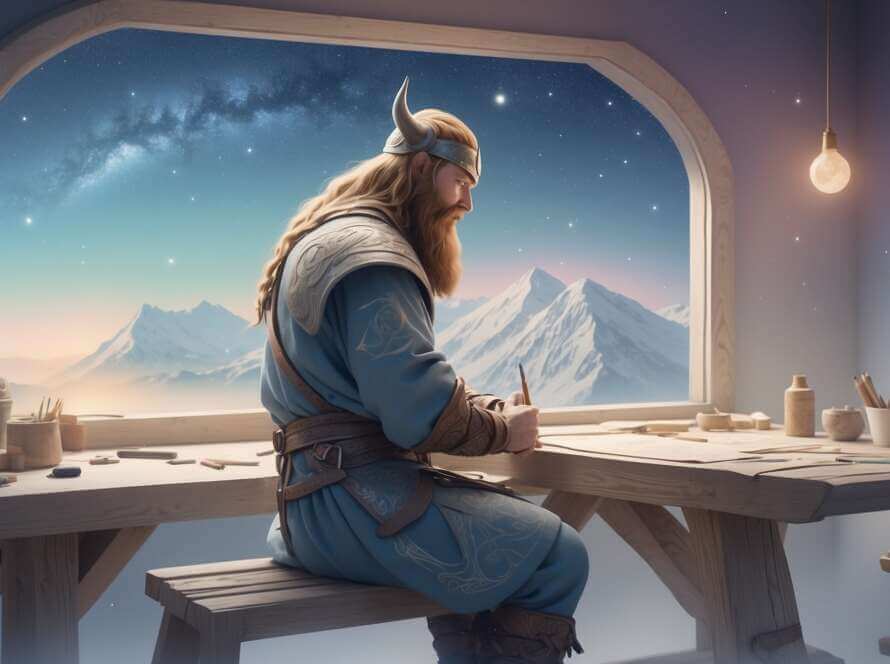
Your startup is more than just a business. It’s a story waiting to be told. A story of passion, purpose, and potential. A story that has the power to connect with people, to inspire them, to move them.
But crafting that story? It’s not easy. It’s not just about stringing together a few clever sentences. It’s about distilling the very essence of your brand, and communicating it in a way that resonates with your audience.
That’s where this guide comes in. We’re going to walk you through the process of creating a powerful brand story, step by step. We’ll show you how to uncover your story, how to shape it, and how to share it with the world.
So grab a coffee, get comfortable, and let’s dive in.
Step 1: Discover Your ‘Why’
Your brand story isn’t about what you do. It’s about why you do it. It’s about the belief, the purpose, the mission that drives you.
This is the foundation of your story. It’s the reason you started your business in the first place. It’s what gets you out of bed in the morning.
To find your ‘why’, ask yourself: What problem are you trying to solve? What change do you want to make in the world? What values guide your decisions?
Look at TOMS Shoes. Their ‘why’ isn’t just about selling footwear. It’s about improving lives. It’s about their belief that a for-profit company can do good in the world. And that ‘why’ is the heart of their story.
Dig deep. Find your ‘why’. Because that’s where your story begins.

Step 2: Know Your Hero
Every good story has a hero. In your brand story, that hero is your customer.
Your story isn’t really about you. It’s about them. It’s about their challenges, their desires, their journeys. Your role is to be their guide, their mentor, their friend.
To craft a story that resonates, you need to understand your hero. You need to know their hopes, their fears, their pain points. You need to empathize with them on a deep level.
Airbnb knows their hero. They know that their customers don’t just want a place to stay. They want to belong. They want unique, authentic experiences. And Airbnb’s story is all about enabling those experiences.
Put your customer at the heart of your story. Make them the hero.
Step 3: Establish Your Character
If your customer is the hero, then your brand is the character. It’s the personality, the voice, the style that brings your story to life.
Your character is what makes you unique. It’s what sets you apart from every other startup in your space. It’s what makes you memorable, relatable, and attractive to your hero.
To establish your character, think about your brand as a person. What are their traits? Their quirks? Their mannerisms? How do they talk? How do they make people feel?
Dollar Shave Club’s character is irreverent, honest, and humorous. Their story isn’t just about shaving. It’s about being the antidote to the over-marketed, overpriced razor giants. And that character shines through in everything they do.
Give your brand a distinct character. Make it someone your hero wants to engage with.

Step 4: Introduce the Conflict
Every good story has conflict. A challenge to overcome. A problem to solve. Without conflict, there’s no story.
In your brand story, the conflict is your customer’s pain point. It’s the thorn in their side, the obstacle in their path. It’s what’s standing between them and their goals.
Your job is to articulate that conflict. To make it real, relatable, and resonant. To show that you understand what your hero is going through.
Slack’s story is all about the conflict of unproductive, fragmented communication in the workplace. They position themselves as the solution, the tool that brings teams together and makes work simpler, more pleasant, and more productive.
Identify your hero’s conflict. Make it the centerpiece of your story.
Step 5: Present the Resolution
Your brand exists to resolve your hero’s conflict. Your product or service is the weapon they need to triumph over their challenges.
This is the climax of your story. It’s the moment where you reveal how you can make your hero’s life better. How you can help them achieve their goals, realize their dreams, and become their best selves.
Your resolution should be specific, tangible, and beneficial. It should paint a picture of the positive transformation your hero will experience with your brand by their side.
Nike’s story is all about the resolution of empowerment. Their products aren’t just shoes or apparel. They’re tools of motivation, inspiration, and achievement. They’re what help their hero become a better athlete, a better person.
Present your resolution. Show your hero how you can change their story.

Step 6: Invite Them Into the Story
A great brand story isn’t a monologue. It’s a dialogue. It’s an invitation for your hero to become part of the narrative.
Your story should be open-ended. It should create space for your customer to insert themselves, to imagine their own journey with your brand.
This is about more than just a call-to-action. It’s about creating a sense of belonging. It’s about making your hero feel like they’re part of something bigger than themselves.
Patagonia’s story invites customers to become part of their mission. To not just buy their products, but to join a movement. To become advocates for environmental conservation and ethical consumerism.
Invite your hero into your story. Make them feel like they belong.
Step 7: Live Your Story
A brand story isn’t just something you tell. It’s something you live. It’s something that should infuse every aspect of your business, from your product to your customer service to your company culture.
Your story should be the north star that guides your decisions and actions. It should be the filter through which you evaluate every opportunity and challenge.
When you live your story, you build trust and credibility. You demonstrate authenticity and consistency. You show your hero that you’re not just talking the talk, but walking the walk.
Southwest Airlines lives their story of being the friendly, fun, freedom-loving airline. They infuse that story into everything from their colorful plane liveries to their humorous safety announcements to their exceptional customer service.
Don’t just tell your story. Live it. Breathe it. Be it.

Crafting Your Brand Story
Your brand story is your most powerful asset. It’s what distinguishes you, what connects you, what makes you matter to your audience.
But crafting that story takes work. It takes introspection, empathy, and creativity. It takes a commitment to authenticity and consistency.
By following the steps in this guide – finding your ‘why’, knowing your hero, establishing your character, introducing conflict, presenting resolution, inviting participation, and living your story – you can create a narrative that resonates and inspires.
Remember, your story isn’t just about attracting customers. It’s about building something meaningful. Something that makes a difference. Something that leaves a legacy.
So go out there and write your startup’s story. And make it one worth telling.
Need help bringing your brand story to life? Check out our Startup Branding Package and let Bifrost be your storytelling partner.